EU Launches Antitrust Probe into Coca-Cola Bottler Over Pricing Practices
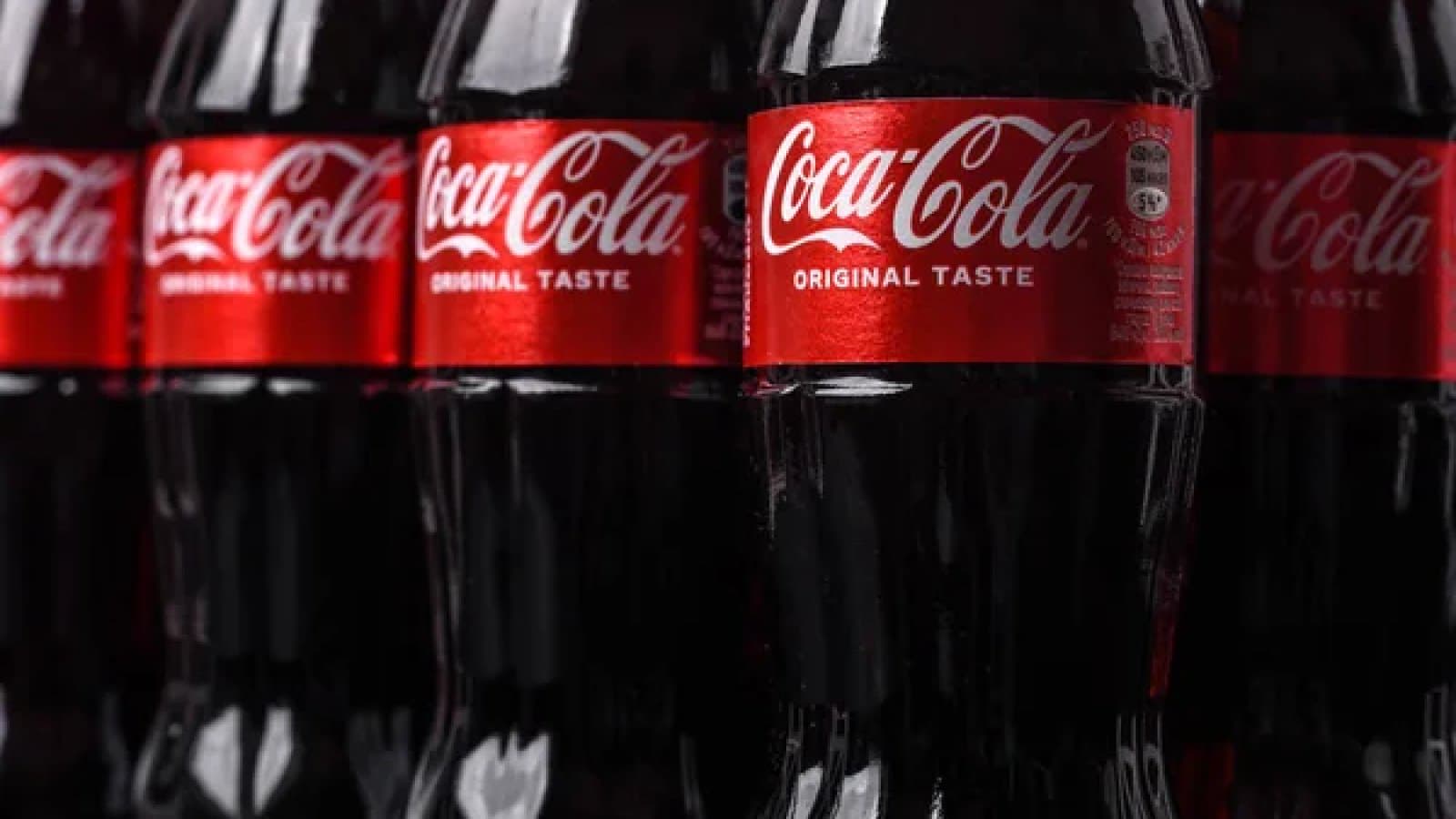
The European Commission has opened an investigation into Coca-Cola Europacific Partners for allegedly preventing retailers from sourcing cheaper drinks across EU borders. The probe focuses on potential market dominance abuse.
 🧠AI Analysis
Photo: Ukrainska Pravda
Key points
- The EU suspects CCEP of blocking cross-border trade through conditional discounts.
- The probe examines whether the bottler abused its dominant position in the wholesale market.
- The case aligns with new EU efforts to ban territorial supply restrictions by major brands.
The European Commission has officially opened an antitrust investigation into Coca-Cola Europacific Partners (CCEP), one of the primary bottling entities for the global beverage giant. The probe centers on allegations that the company may have manipulated market conditions to prevent retailers from accessing products at lower prices across different European Union member states. This move highlights the EU's increasing scrutiny of how multinational corporations manage their distribution networks within the single market.
Mechanisms of Market Control
According to the European Commission, CCEP is suspected of offering specific discounts to supermarkets and other large-scale retailers on the condition that they refrain from sourcing beverages from other EU countries. This practice, known as territorial supply restriction, effectively fragments the market and allows for price disparities between nations. The investigation focuses on the wholesale supply of carbonated soft drinks and sports drinks to "off-trade" customers—retailers who sell products for consumption elsewhere, such as grocery chains.
"People across Europe enjoy soft drinks every day. But they should not pay more just because they live in one EU country and not another," stated Teresa Ribera, the European Commission's Vice-President for Competition.
The Commission is concerned that CCEP may have abused its dominant market position to maintain higher price points in certain regions by stifling cross-border competition. This is particularly relevant in markets like Germany, France, Belgium, and the Netherlands, where CCEP holds a significant market share.
Broader Economic Implications
CCEP operates as an independent public company, though The Coca-Cola Company holds a 17% stake. This investigation coincides with the EU's broader effort to implement new regulations targeting territorial supply restrictions, which often prevent smaller retailers from benefiting from the price advantages of the single market. The goal is to ensure that the free movement of goods remains a reality for both businesses and consumers.
Furthermore, the beverage industry is facing additional pressures from national governments. For instance, Germany recently reached a compromise on a proposed sugar tax, delaying its implementation and exempting smaller producers. Similarly, Italy has postponed its own sugar tax until 2027. These regulatory shifts, combined with the antitrust probe, indicate a period of significant transition for beverage distributors and retailers across the continent, potentially leading to more transparent pricing structures.
Source Ukrainska Pravda — pravda.com.ua/news/2026/11/23/8064210/ ↗
Read next
 💡Tech
Water mouse considered extinct for nearly a century rediscovered in Ethiopia
Scientists in Ethiopia have rediscovered the rare Ethiopian water mouse (Nilopegamys plumbeus), which had not been documented since 1927. Genetic tests are currently unde…
 ⚽Sport
Alcaraz's Dominance and Rising Stars: ATP Finals Recap
Carlos Alcaraz confirmed his status as a tennis world leader by winning the ATP Finals undefeated, despite facing a hip injury.
 🏛️Politics
Prospects for Zelensky-Putin Negotiations: MP Assessment
MP Oleh Dunda commented on the possibility of direct talks between the leaders of Ukraine and Russia, highlighting the lack of real progress in the peace process.
 🇺🇦Ukraine
Hungarian Prime Minister Announces Visit to Transcarpathia to Show Support
The Hungarian Prime Minister has announced plans to visit Transcarpathia, expressing solidarity with the Ukrainian people amid ongoing Russian aggression.
 🇺🇦Ukraine
Slovak Foreign Minister Blames Ukrainians for 1968 Invasion of Czechoslovakia
Slovak Foreign Minister Juraj Blanár attempted to shift responsibility for the Soviet occupation of Czechoslovakia onto Ukrainians, citing the composition of the Soviet a…
 🛡️Security
New Geography of Naval Warfare: Incidents in Libya and the Baltic Expose Russian Logistics Vulnerabilities
Recent emergencies involving Russian vessels in Benghazi and the Gulf of Finland highlight systemic risks to Moscow's global supply chains.