Construction Automation: New Generation Bricklaying Robot Unveiled in France
French developers have introduced the WLTR robot, capable of constructing up to 60 square meters of brick wall per day.
 🏙️City
Photo: UNIAN
Key points
- WLTR robot builds 60 sqm of wall per day
- The system operates up to 3.5 meters high using laser guidance
- Full commercial rollout is expected by 2027
Modern technologies continue to transform industries traditionally seen as domains of heavy manual labor. The construction sector, where automation has been introduced gradually, has received a new boost thanks to a development by French engineers. The WLTR robotic system is designed not only to accelerate construction rates but also to significantly ease the human workload, minimizing health risks associated with physical strain.
Technical Capabilities and Innovations
The WLTR robot consists of a massive robotic arm mounted on a mobile base. This design allows the system to operate at heights of up to 3.5 meters. The primary advantage of this development is its productivity: in a single day, the machine can lay approximately 60 square meters of wall. To ensure perfect precision, the robot utilizes a complex of sensors and laser systems that determine the correct position of each brick and monitor the overall geometry of the structure.
The developers paid special attention to quality control. The system is capable of independently detecting defects in building materials before they are used in the masonry. This helps avoid structural errors and increases the reliability of buildings. Currently, testing is taking place in a specialized center near Paris, designed to replicate real construction site conditions.
Path to Mass Adoption
The project's history began in 2021 when KM Robotics and Wienerberger introduced the first prototype. Since then, the technology has evolved into working models that have already proven themselves in Europe. Currently, 12 such units are operating in various countries, and the total area of walls built by them exceeds 55,000 square meters. The robots have already been involved in over 100 projects.
The full-scale deployment of WLTR into wide commercial use is scheduled for 2027. It is expected that by then, the technology will become more accessible and adapted to various architectural requirements. This could mark the beginning of a new era in architecture, where humans act as operators and controllers, while machines take on the most grueling stages of the work.
Source UNIAN — unian.ua/techno/u-franciji-provodyat-viprobuvannya-robota-wltr-zdat… ↗
Read next
 🛡️Security
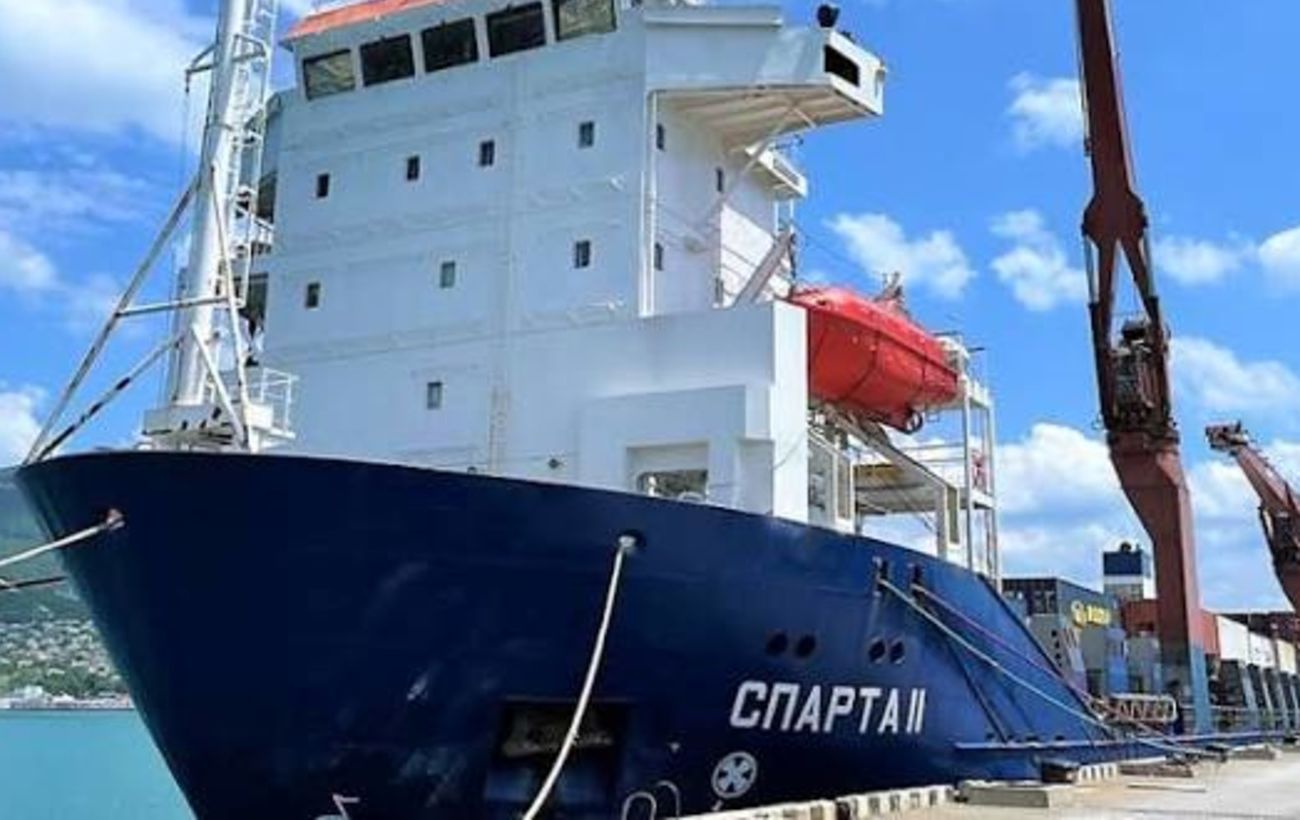
Fire on Russian vessel Sparta II in the Gulf of Finland continues following drone attack
Rescue operations and firefighting efforts continue in Finnish territorial waters aboard the Russian cargo ship Sparta II.
 🧠AI Analysis
NABU Initiates Case Against SBU Special Forces: Funds Seized During Search Become Grounds for Prosecution
The National Anti-Corruption Bureau of Ukraine is initiating criminal prosecution against employees of the SBU special unit "Alpha" for seizing 25,000 dollars during a se…
 💼Economy
The Philosophy of Reconstruction: Why the Future of Communities Begins with Everyday Repair
Reflections on how Ukrainian society, amidst crises, is shifting from grand planning to the daily, routine labor of restoring damaged infrastructure.
 🧠AI Analysis
Parliamentary Oversight and Transparency: Why NABU Director Must Address Commission Inquiries
Political expert Volodymyr Sonyuk stated that NABU Director Semen Kryvonos must personally attend a parliamentary investigative commission meeting. According to the analy…
 🎓Education
Enemy UAV Attacks Krolevets Near Shostka Region: Casualties Reported
On November 21, an enemy drone strike in Krolevets injured four people, prompting law enforcement to open criminal proceedings.
 🧠AI Analysis
Russian Energy Attacks in Zhytomyr Region: Challenges and Implications for Communities
Russian forces carried out four drone strikes against energy facilities in the Zhytomyr region within 24 hours, attempting to cut off power and heating.