First Snow and Nighttime Frosts in Ukraine: Weekly Weather Forecast
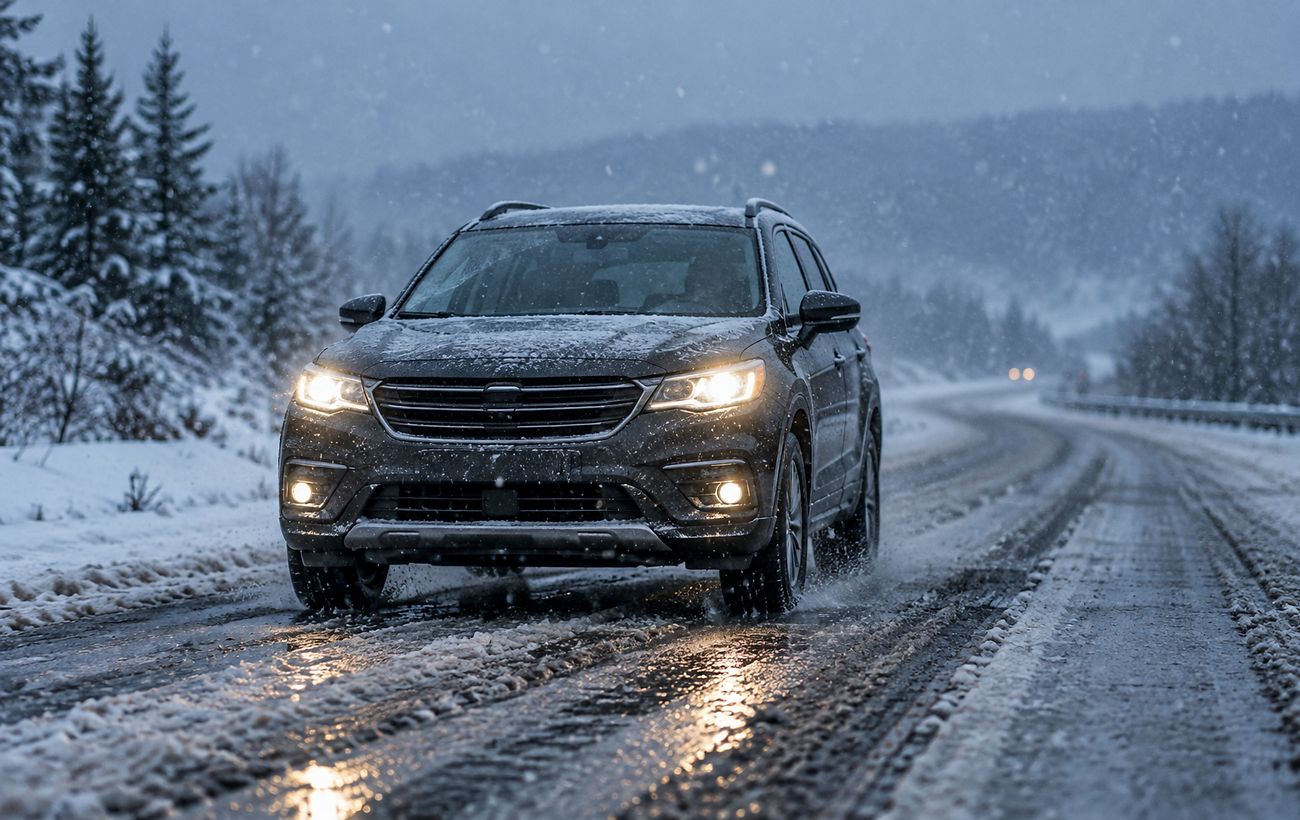
Ukraine is expecting a cold snap with nighttime frosts and snow in some regions. Temperatures will fluctuate from +2 to -4 degrees Celsius.
 🚨Events
Photo: RBC-Ukraine
Key points
- First snow in some regions
- Nighttime frosts down to -4 degrees Celsius
- Cold snap in most regions
Ukraine is expecting a cold snap with nighttime frosts and snow in some regions. Temperatures will fluctuate from +2 to -4 degrees Celsius.
Weekly Weather Forecast
On Saturday, November 21, a cold front is expected to bring rain to most regions, with a chance of wet snow in western Ukraine.
On Sunday and Monday, a southern cyclone will bring rain and snow to some regions, making road conditions potentially hazardous.
Source RBC-Ukraine — rbc.ua/ukr/news/ukrayinu-yde-pershiy-snig-ta-nichni-morozi-17951915… ↗
Read next
 🛡️Security
Power restored in Rivne region following enemy attack
Electricity supply has been fully restored in the Sarny district of the Rivne region after being disrupted by a Russian attack on November 20.
 🎭Culture & Sport
Autumn Rose Care: Tips for Gardeners in Shostka
Experts explain why it is better to delay radical rose pruning until the onset of steady cold weather.
 🛡️Security
89-year-old woman rescued from rubble of destroyed house in Dymer
Rescue teams are continuing to clear debris in Dymer after a Russian drone strike hit a residential building. The death toll from the attack has risen to nine.
 🇺🇦Ukraine
Russian corvette 'Merkury' damaged in Libya: potential sea drone attack
An explosion occurred on board the Russian warship 'Merkury' in the Libyan port of Benghazi, potentially caused by a Ukrainian sea drone strike.
 🇺🇦Ukraine
Russia tests NATO defense algorithms through airspace violations, says Dmitry Kashchenko
Retired Ukrainian Colonel Dmitry Kashchenko stated that Russian missile incursions into Polish airspace are part of a strategy to test the Alliance's readiness.
 💡Tech
Scientists revive ancient bacteria from permafrost: climate risks identified
Researchers from the University of Colorado found that microorganisms frozen for up to 40,000 years can reactivate and multiply rapidly under warmer conditions.