Microplastics in water: new study reveals hidden chemical threat to cells
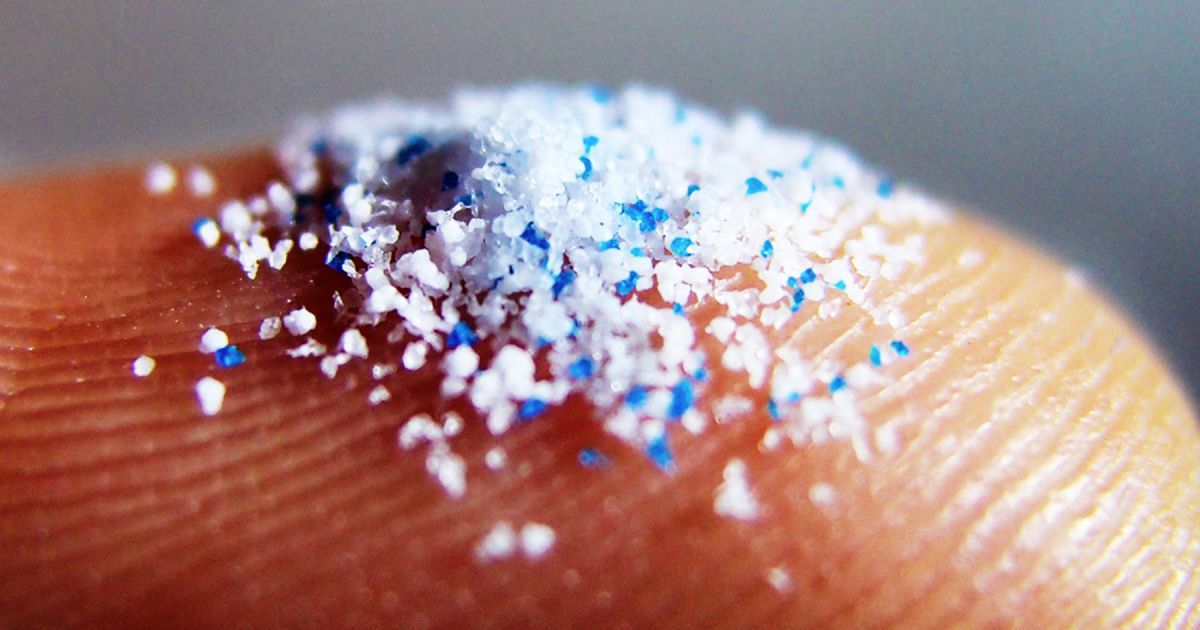
Scientists have discovered that microplastics in water do not just accumulate but trigger chemical reactions that can damage biological structures.
 🩺Health
Photo: TSN
Key points
- Microplastics form reactive oxygen species upon contact with water
- Chemical processes can damage DNA and cellular structures
- Heating plastic in a microwave promotes particle release
Researchers from Columbia University and the University of California, Berkeley, have found that microplastics are capable of active chemical interaction with water. Previously, these particles were considered passive pollutants, but new data suggests that reactive oxygen species form on their surfaces.
Mechanism of impact on the body
Upon contact with water, plastic particles create conditions for the formation of hydroxyl radicals. These compounds can damage proteins, DNA, and cellular integrity. Experiments with mouse red blood cells confirmed that polystyrene can cause the destruction of cell membranes.
Scientists tested six types of plastic, including polyethylene and polypropylene, which proved to be the most active. It is important to note that the smaller the particle, the larger its surface area, which increases the intensity of dangerous chemical processes.
Microplastics may not just be pollutants, but chemically active materials capable of affecting living structures.
Experts emphasize that daily habits, such as heating food in plastic containers or storing water under direct sunlight, accelerate the breakdown of plastic, releasing even more small particles into the environment.
Source TSN — tsn.ua/zdorovya/mikroplastyk-vyiavyvsia-nebezpechnishym-niz-vvazaly-shc… ↗
Read next
 🚨Events
Aftermath of drone attack in Dymer: death toll rises to six
Rescue teams are clearing the rubble of a five-story building in Dymer hit by an enemy drone. The number of casualties has increased as search operations continue.
 💡Tech
Scientists discover 405,000-year cycle of powerful storms on Earth
An international research team has found that for millions of years, the intensity of storms on Earth followed a distinct cycle linked to the planet's orbital changes.
 🚨Events
Shooting in Kharkiv: Police investigating a murder
Law enforcement officers in Kharkiv have launched a special operation following the discovery of a man's body with gunshot wounds.
 🇺🇦Ukraine
US Considers Providing Ukraine with NATO-Style Security Guarantees
The US administration plans a series of consultations with Ukraine, Europe, and Russia regarding a new security architecture and potential guarantees modeled on NATO's Ar…
 ⚽Sport
High-scoring draw in Serie A: Atalanta and Inter finish 4-4
In a thrilling Serie A encounter, Atalanta and Inter Milan played out a dramatic 4-4 draw, featuring a hat-trick from Francesco Pio Esposito.
 ⚽Sport
Artem Dovbyk could return to the Spanish league: transfer details
Ukrainian forward Artem Dovbyk has expressed his willingness to change clubs and join the Spanish side Valencia.