The Dangers of Winter Self-Medication: Why Excess Vitamin D Can Harm Your Health
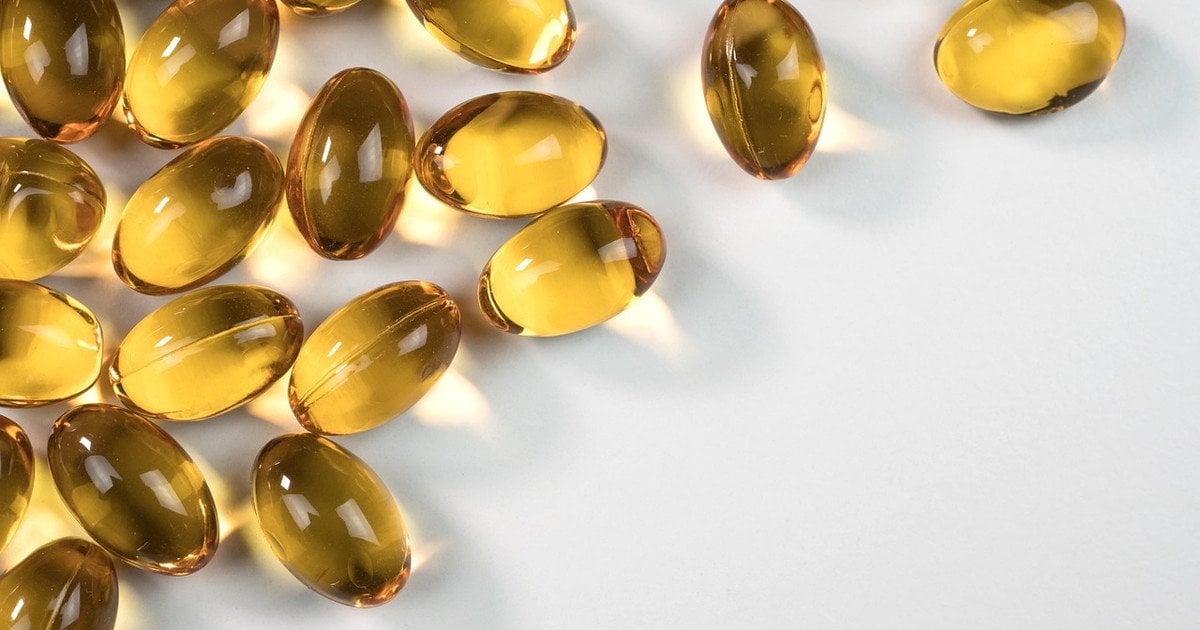
With the arrival of cold weather, many residents begin taking vitamin D supplements uncontrollably to boost immunity. However, experts warn of overdose risks and advise a balanced approach.
 🩺Health
Photo: TSN
Key points
- Vitamin D synthesis drops in autumn and winter due to reduced sunlight intensity.
- Excessive supplementation is dangerous because fat-soluble vitamins accumulate in the body.
- The upper daily limit for adults is established at 4000 international units.
As the autumn and winter seasons set in across Ukraine, daylight hours decrease sharply, leaving insufficient sunlight for the body to naturally synthesize vitamin D. In Shostka, much like anywhere else, many people attempt to independently compensate for this deficit using pharmacy supplements. Nevertheless, nutrition experts emphasize that mindless consumption of high doses not only fails to provide extra benefits but can actually harm overall health.
The human body can store certain reserves of the vitamin during sunny months, but these supplies gradually deplete, reaching their lowest levels by late winter. Specialists warn against a common misconception that higher doses guarantee better results. Because this micronutrient is fat-soluble, it accumulates within the body, meaning prolonged excessive intake can become hazardous over time.
Proper Supplement Use and When to Consult a Specialist
According to dietary guidelines, the average requirement for a healthy adult is approximately 600 international units daily, combining both food sources and supplements. Meanwhile, the upper tolerable limit for daily intake stands at 4000 IU. Experts recommend taking these supplements alongside fat-containing foods—such as fish, eggs, or nuts—to improve absorption. The time of day does not significantly impact effectiveness.
“There are no universal recommendations for supplementation, as needs depend on age, lifestyle, and health status,” experts remind.
Residents of Shostka who lack chronic conditions or confirmed deficiencies typically do not need regular blood tests before taking preventive doses. Conversely, individuals suffering from kidney, liver, or bone disorders should discuss diagnostic testing with their family doctor to avoid complications and ensure safe dosing.
Source TSN — tsn.ua/zdorovya/vitamin-d-moze-nashkodyty-eksperty-poperedyly-pro-ryzyk… ↗
Read next
 🛡️Security
Ukrainian Forces Advance in Kursk Region Near Sumy Border, ISW Reports
The Institute for the Study of War reports Ukrainian tactical advances in the border area of Russia's Kursk region adjacent to Ukraine's Sumy region.
 💡Tech
Signal Messenger Restricts Screenshots to Protect Chats from AI Agents
Signal is implementing new security measures on iOS and Android to prevent built-in artificial intelligence systems from scanning private chats.
 🛡️Security
Shostka region steps up forest protection ahead of winter holidays
Forest guards in the Shostka region, together with police and environmental inspectors, are launching enhanced patrols to prevent illegal logging.
 🇺🇦Ukraine
Tragedy in Dymer: Death Toll Rises to 11 After Russian Drone Strike
A Russian drone strike on a five-story residential building in Dymer, Kyiv region, has claimed 11 lives, with two people still missing.
 🎓Education
Orbital Threat: Western Intelligence Warns of Russia's Plans to Deploy Nuclear Weapons in Space
According to Western intelligence agencies, Russia may launch a satellite equipped with a nuclear warhead into low Earth orbit this year.
 🏛️Politics
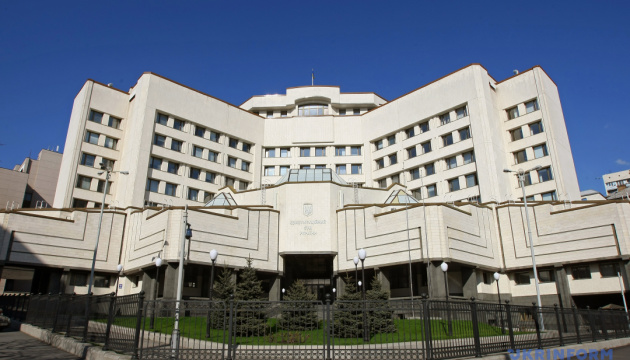
Ukraine's Constitutional Court Risks Paralysis as Membership Drops to Critical Minimum
Following the retirement of a judge upon the completion of his nine-year term, Ukraine's Constitutional Court is left with just 12 sitting judges out of 18, putting its G…