Fusion energy in space: scientists propose new solutions for future missions
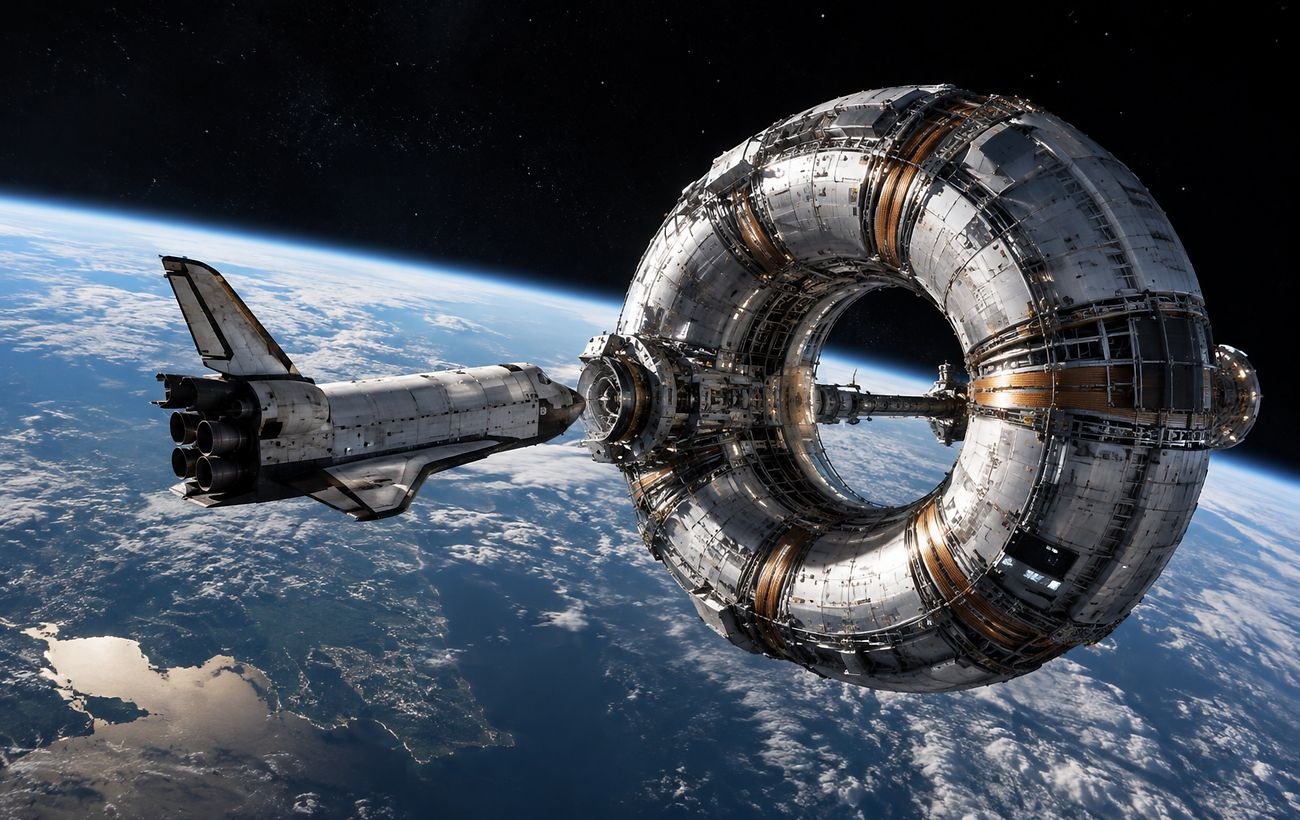
Researchers are exploring the possibility of placing fusion reactors in orbit to power deep-space missions.
 💡Tech
Photo: RBC-Ukraine
Key points
- Placing tokamaks in orbit
- Advantages of microgravity
- 1-gigawatt power capacity
- Alternative to nuclear fission
The future of energy beyond Earth
The scientific community is actively discussing the concept of placing fusion reactors in outer space. According to a study published on the ResearchGate platform, using tokamaks in geostationary orbit could solve energy supply issues for future lunar or Martian settlements.
Advantages of space conditions
Physicist Yang Bae from the Spacefaring Research Institute notes that outer space conditions offer significant advantages for such installations. The absence of atmospheric pressure allows for smaller, lighter designs, while microgravity reduces mechanical stress on the reactor. Furthermore, space provides efficient heat dissipation through specialized radiating panels.
The project envisions creating a 1-gigawatt tokamak, which is calculated to power approximately one million homes. In addition to magnetic plasma confinement, an alternative method of triggering the reaction using high-powered lasers is also being considered.
Source RBC-Ukraine — rbc.ua/ukr/news/termoyaderni-reaktori-hochut-vidpraviti-kosmos-1795… ↗
Read next
 🎓Education
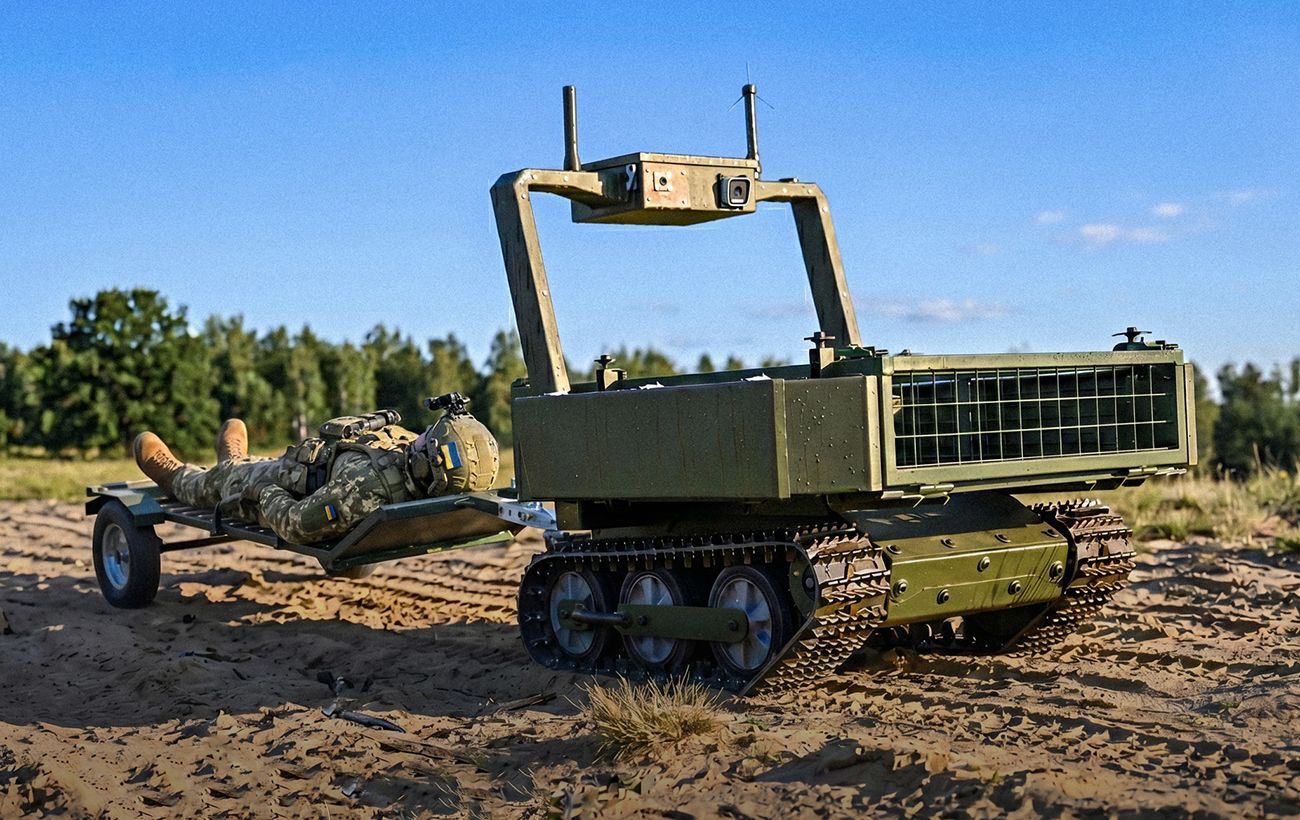
Robotic complexes at the front: will UGVs replace armored vehicles
Makers of unmanned ground vehicles state that UGVs are redistributing logistics tasks on the frontline, but they will not be able to completely replace armored vehicles a…
 🛡️Security
Russian Submarines Enter Sea for Kalibr Strike First Time in Six Months: Navy Details
During a recent large-scale attack, Russian occupying forces deployed Black Sea Fleet submarines into the open sea for Kalibr missile launches for the first time in half …
 🛡️Security
Western Intelligence Warns: Russia Preparing to Place Nuclear Weapons in Space
NATO intelligence services report that Russia may launch a satellite equipped with a nuclear warhead into orbit in the coming weeks.
 🩺Health
Weather in Ukraine: Snow and Daytime Frost Expected Throughout the Week
The Ukrainian Hydrometeorological Center forecasts unstable weather with snow in most regions, rains in the south, and daytime frosts down to -6C.
 🧠AI Analysis
Jet-Powered Geran-5: Assessing the Threat of the New Russian Drone Modification
Aviation experts analyze the risks posed by new Russian jet-powered combat drones, which feature significantly higher speeds and more powerful warheads than standard loit…
 🧠AI Analysis
Weather Forecast for December 2026: What to Expect from the Beginning of Winter in Ukraine
Climatologists forecast a milder start to the winter of 2026, with temperatures slightly above average and intermittent cold snaps.