The Path to the EU Through Paper Barriers: Why Reforms Fail to Reach Local Communities
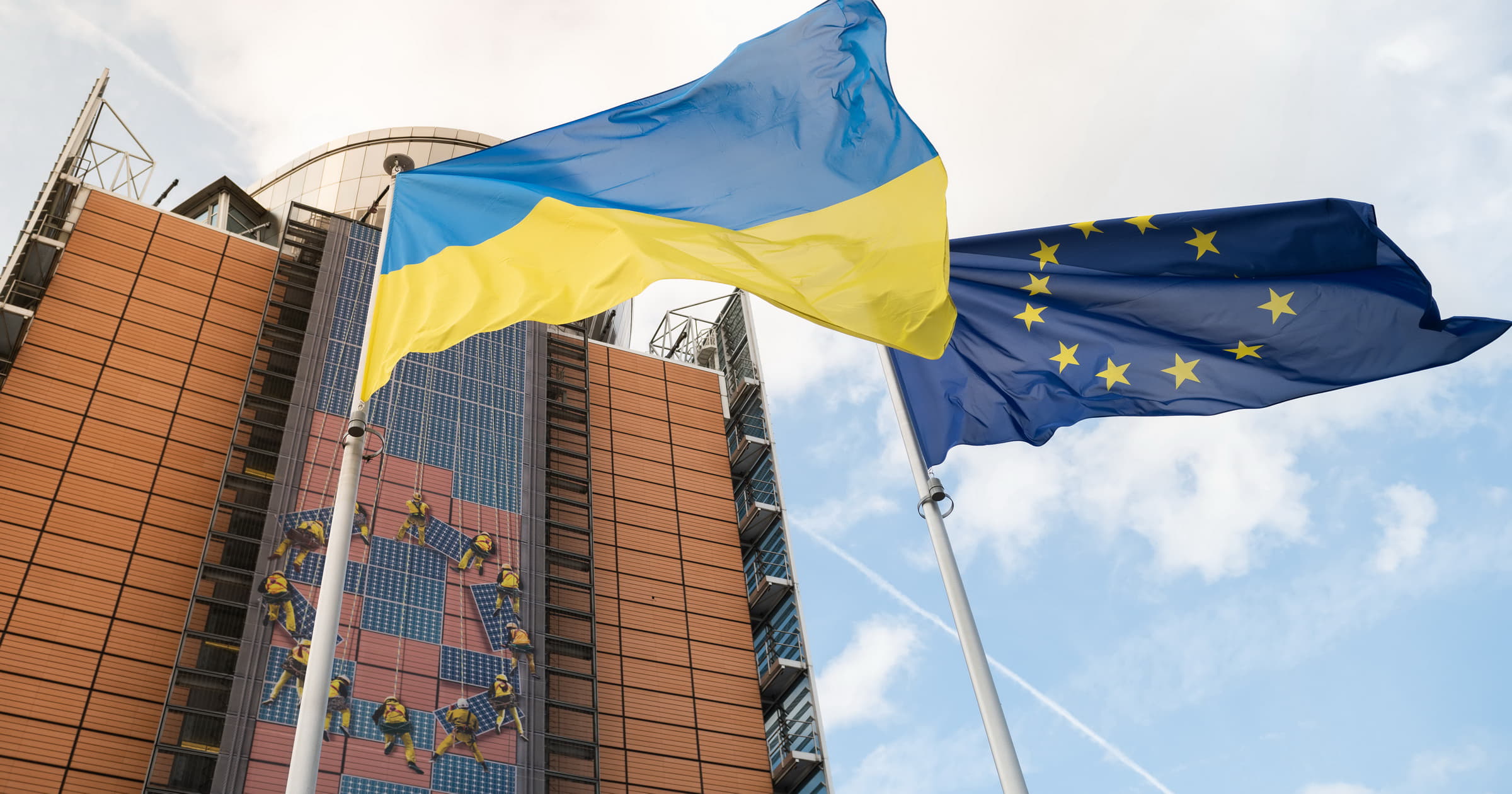
The European Commission's report highlights systemic issues in reform implementation, where passing laws lacks the practical mechanisms needed for local execution.
 🏙️City
Photo: Ukrainska Pravda
Key points
- Legislative changes often lack financial and personnel support
- Specialized courts and waste reforms exist only on paper
- Local practitioners must be involved in lawmaking early on
Ukraine's integration into the European Union faces a significant challenge: a major gap between passing legislation and its actual implementation. The recently released European Commission report for 2026 shows that despite efforts and the involvement of international consultants, many recommendations remain only partially fulfilled. The core issue lies not just in a lack of political will, but in the unviability of certain solutions at the design stage.
Lack of Implementation Mechanisms
Experts point out that a legally sound procedure often fails to account for the real capacities of state bodies: the availability of qualified personnel, funding, and technical infrastructure. A striking example is the creation of two specialized administrative courts in 2025. Despite their legislative existence, they are still not operational because the conditions for their work — from appointing judges to forming staff — were never secured. This deprives citizens of actual judicial protection in cases involving central authorities.
A similar situation is observed in the environmental sector. The waste management reform, which began during the full-scale war, is still stalling. Although the new law came into force in July 2023, the necessary regulatory framework and procedures have been under preparation for three years. This creates a scenario where new obligations exist on paper, but the mechanisms to fulfill them are absent, forcing businesses and local communities to find their own ways to bridge procedural gaps.
The Need for Practitioner Involvement
The systemic problem of the quality of state decisions is also evident in financial reporting. In 2021, the government was forced to revise the deadlines for implementing new report formats due to the unreadiness of software and accountants. This confirms the thesis that the readiness of the entire system must be verified before setting strict deadlines.
For reforms to be successful, it is essential to involve practitioners — representatives of local communities, businesses, engineers, and lawyers — at the conceptual stage. Only those who will directly apply the new rules can identify potential risks and discrepancies between the law and reality. Without such feedback, Ukraine risks wasting resources on preparing more bills that will never improve the lives of its citizens.
Source Ukrainska Pravda — pravda.com.ua/columns/2026/11/23/8064137/ ↗
Read next
 💡Tech
Water mouse considered extinct for nearly a century rediscovered in Ethiopia
Scientists in Ethiopia have rediscovered the rare Ethiopian water mouse (Nilopegamys plumbeus), which had not been documented since 1927. Genetic tests are currently unde…
 🧠AI Analysis
EU Launches Antitrust Probe into Coca-Cola Bottler Over Pricing Practices
The European Commission has opened an investigation into Coca-Cola Europacific Partners for allegedly preventing retailers from sourcing cheaper drinks across EU borders.…
 ⚽Sport
Alcaraz's Dominance and Rising Stars: ATP Finals Recap
Carlos Alcaraz confirmed his status as a tennis world leader by winning the ATP Finals undefeated, despite facing a hip injury.
 🏛️Politics
Prospects for Zelensky-Putin Negotiations: MP Assessment
MP Oleh Dunda commented on the possibility of direct talks between the leaders of Ukraine and Russia, highlighting the lack of real progress in the peace process.
 🇺🇦Ukraine
Hungarian Prime Minister Announces Visit to Transcarpathia to Show Support
The Hungarian Prime Minister has announced plans to visit Transcarpathia, expressing solidarity with the Ukrainian people amid ongoing Russian aggression.
 🇺🇦Ukraine
Slovak Foreign Minister Blames Ukrainians for 1968 Invasion of Czechoslovakia
Slovak Foreign Minister Juraj Blanár attempted to shift responsibility for the Soviet occupation of Czechoslovakia onto Ukrainians, citing the composition of the Soviet a…